
Request a Free Consultation
All services
Specialization

Recovery After the Call

You can talk with people who understand the work and make room for what happens after the call.

About this service

Recovery After the Call

A structured program combining therapeutic group work and individual support for first responders affected by occupational trauma and stress.

Recovery After the Call is a structured, trauma-informed program created specifically for first responders who are struggling with the emotional and psychological impact of critical incidents, cumulative exposure to trauma, occupational stress, or the weight of repeatedly responding to other people’s worst moments.

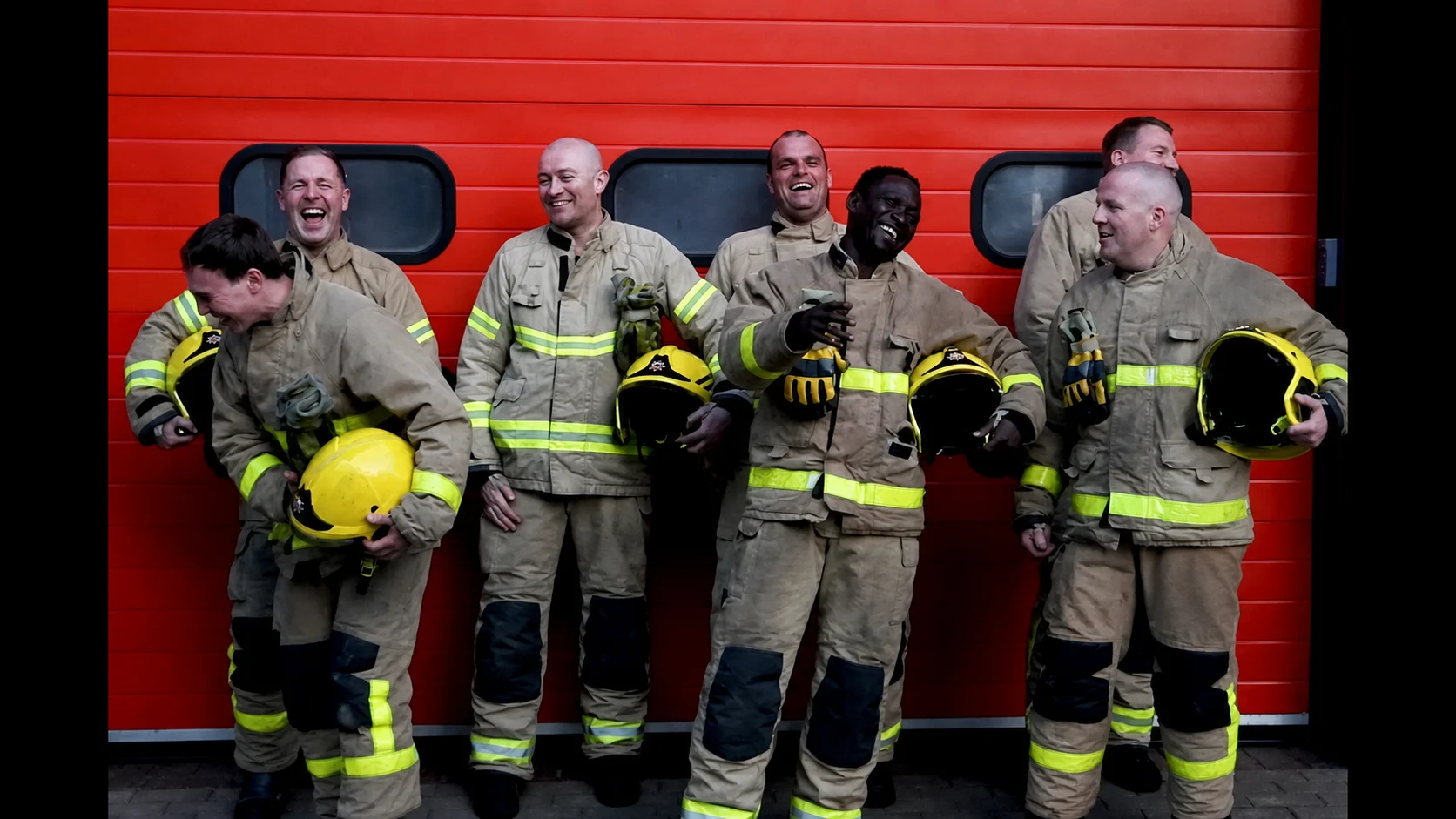
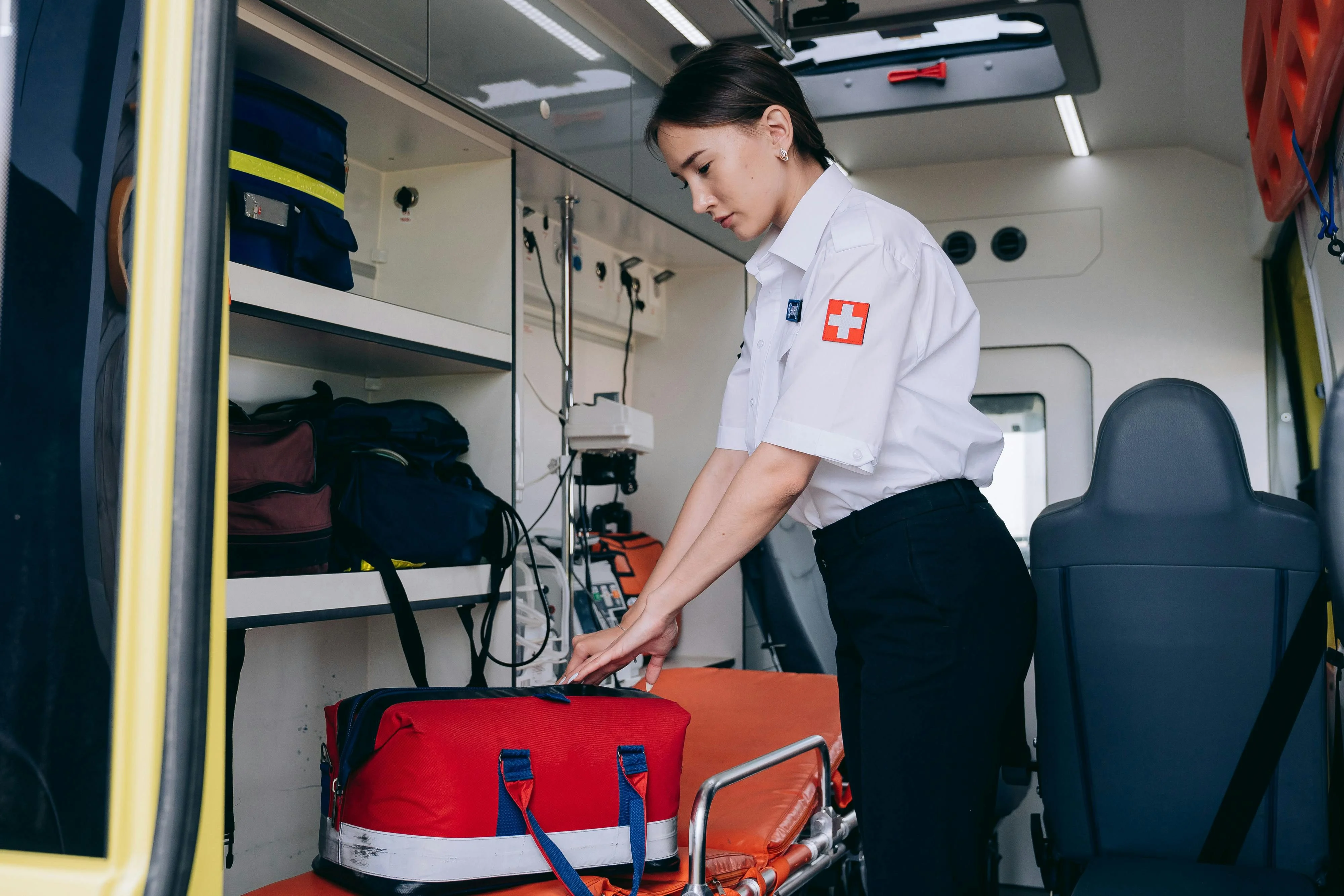
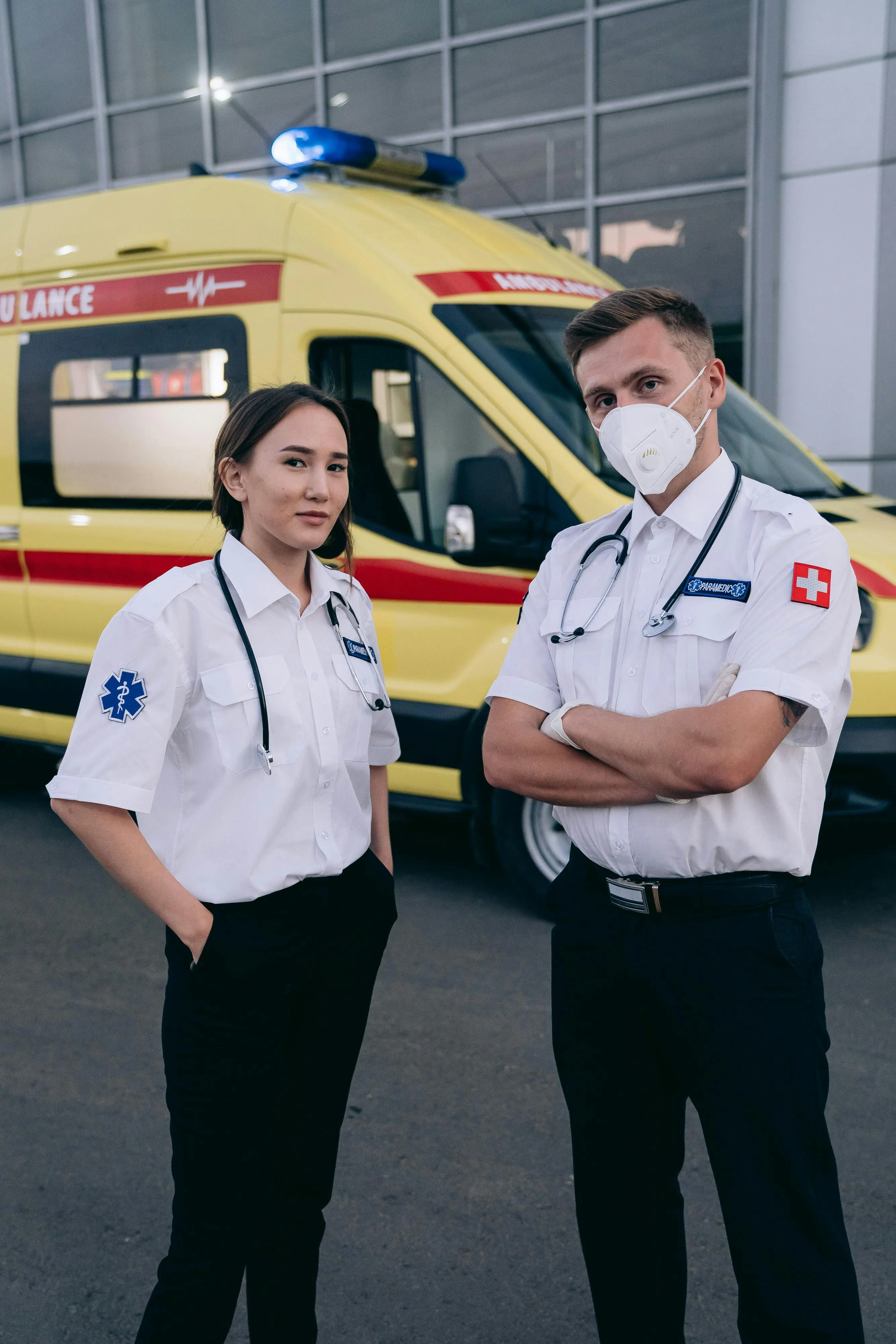
The program is designed for law enforcement officers, firefighters, EMS/paramedics, dispatchers, corrections professionals, and others working in emergency response and public safety who may be experiencing changes in sleep, mood, relationships, temperament, concentration, substance use, or their ability to disconnect from the job.
What it is

A structured, trauma-informed program combining group connection, practical coping skills, and individual therapeutic support for first responders affected by critical incidents, cumulative exposure, and occupational stress.

Who it serves

Law enforcement officers, firefighters, EMS/paramedics, dispatchers, corrections professionals, and others working in emergency response and public safety affected by critical incidents, cumulative exposure, occupational stress, or difficulty disconnecting from the job.

How it starts

I begin by creating space to explore difficult experiences, reactions, symptoms, practical coping strategies, and the ways the work continues to affect life on and off duty.

This program is part of First Responders support. Individual concerns may also fit PTSD therapy, anxiety therapy, or anger management therapy.

Common experiences

What You May Be Experiencing

  • “I can’t get that call out of my head.”

  • “I’ve seen worse. I don’t know why this one is bothering me.”

  • “It wasn’t one call. I think it’s all of them.”

  • “I thought I’d be over it by now.”

What recovery can look like

Space for what happens afterward

The program uses a structured process to help participants explore the facts surrounding difficult experiences, the thoughts and reactions connected to them, symptoms that may have developed, and the ways those experiences continue to affect life on and off duty.

Education and practical coping strategies help participants better understand trauma and stress responses while developing healthier ways to manage them. Connection with others who understand the culture can reduce isolation, shame, and the belief that struggling means someone is weak or incapable of doing the job.

Group support cannot address every individual’s needs, so participants also have access to individual therapeutic support for experiences or concerns they may not want or need to process within the group.

First-responder informedConnectedPractical
Approaches & tools

Tools We May Use in Therapy

Treatment is individualized to the responder, their experiences, symptoms, goals, and readiness.

01

02

03

04

Therapy approaches and tools
Beyond the call

Continue living beyond call to call

Recovery After the Call is not about convincing first responders that they are damaged by the work they do. Being affected by what you see does not mean you are unable to do the job. It means you are human.

The goal is to understand what you are experiencing, reconnect with yourself and others, develop practical skills for managing occupational stress and trauma, and find ways to continue living—not simply functioning from call to call.